








Google AI Overviews Now Summarize Your Brand. Here’s How to Shape What They Say

Search your company’s name on Google right now, and there’s a good chance an AI-generated summary appears before your own homepage does. Google now writes a short profile of your business for nearly everyone who looks you up, and it chooses which sources to trust in the process.
That shift turns Google AI Overview optimization into a brand-protection priority, not just an SEO experiment. The good news is that businesses can influence what that summary says, and an artificial intelligence optimization strategy provides a structured way to do so.
Google Now Tells Your Brand Story Before You Do
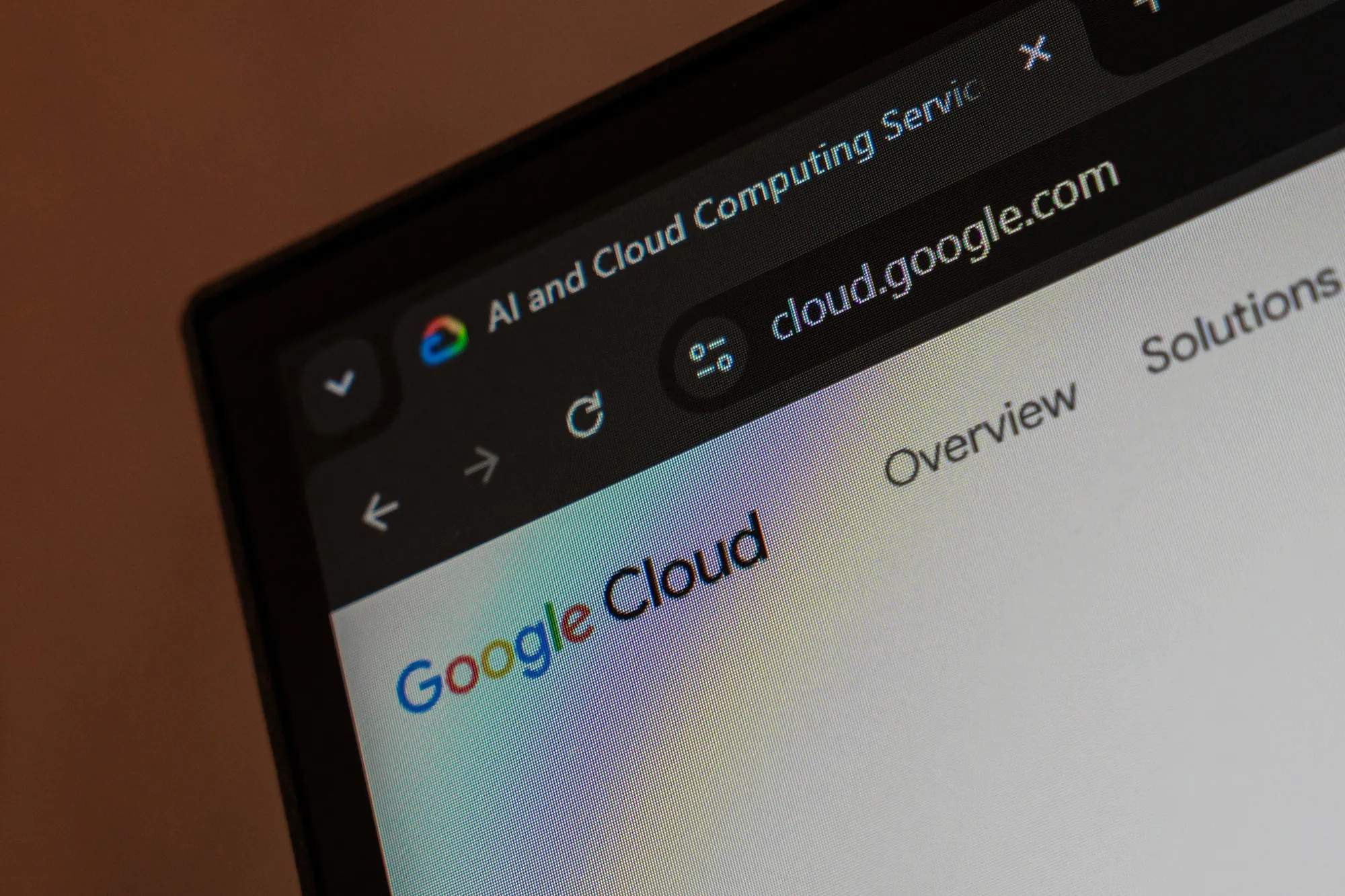
Three developments from the past two months show how quickly branded search is changing and why the summary itself now matters as much as your ranking.
Branded Searches Went From Exception to Rule
Branded queries used to be the safe zone of search. Someone typing your business name already wanted you, so your website almost always owned the page.
That changed fast in September 2026. Daily tracking from DemandSphere found AI Overviews on about 26% of branded queries on September 1 and on more than 90% by September 27. The numbers bounced around in the days that followed, and Google hasn’t announced anything official, but the direction is hard to ignore.
Then, in late October, search professionals began spotting brand Overviews in the right-hand column of desktop results, the spot where Google’s Knowledge Panel traditionally lives. In other words, an AI-written summary is starting to stand in for the panel many businesses spent years carefully maintaining.
The Sources Behind the Summary Are Getting Harder to See
At the same time, the links that show where an Overview gets its information keep losing visibility. In late September, Google tested moving its desktop citation cards from the right side of the Overview to the bottom of the answer, where searchers have to click “show more” to see the full list.
A month later, Search Engine Roundtable reported that Google may be testing the removal of the citation card from desktop Overviews entirely, at least for some searches. Whether these changes turn out to be tests, bugs, or the start of a permanent rollout, the pattern points in one direction: the sources Google credits are becoming harder to find.
Why the Summary Matters More Than the Click
Fewer visible citations naturally mean fewer clicks. A Pew Research Center study found that people clicked a traditional search result in 8% of visits when an AI summary appeared, compared with 15% when no summary appeared. They clicked a link inside the summary itself in just 1% of visits.
For branded searches, though, the bigger risk isn’t the lost click. It’s the framing. An Overview about your business can pull from review sites, forum threads, outdated directory listings, or a competitor’s comparison page. If those sources get something wrong, the summary repeats it at the top of the page.
That’s the real shift. Ranking first for your own name no longer guarantees you control the first impression, and businesses that ignore the summary leave their reputation to whichever sources Google happens to find.
How to Influence What the Overview Says About Your Brand
Google doesn’t offer a form to edit your AI Overview, and no tactic guarantees specific wording. Businesses can, however, shape the information Google draws from. Google’s own guidance on AI features makes clear that standard SEO best practices still apply and that appearing in AI Overviews doesn’t require any special markup or secret formatting.
Effective Google AI Overview optimization comes down to providing Google with accurate, consistent, well-supported information about your brand wherever it looks.

Make Your Website the Clearest Source of Truth
Your website should answer the basic questions about your business better than any third-party page can. If Google can’t find a clear answer on your site, it’ll look for one somewhere else. Strong owned pages typically include:
- An About page that states who you are, what you do, where you operate, and how long you’ve been in business
- Service pages that describe each offering specifically instead of in vague, interchangeable language
- An FAQ section that answers the questions customers actually ask about pricing, process, and availability
- Current contact details, hours, and service areas
Google’s guide to generative AI search emphasizes unique, non-commodity content, so original insight beats generic filler every time. On the technical side, make sure crawlers can access your pages, that important content appears as text rather than only within images, and that any structured data matches what visitors actually see.
A focused content marketing plan keeps those pages accurate and up to date as your services, team, and locations evolve.
Keep Your Brand Facts Consistent Everywhere
AI systems cross-check information. When your business name, address, phone number, hours, and service descriptions match across your website, Google Business Profile, social profiles, and online directories, Google has a consistent story to summarize.
When those details conflict, the Overview may blend them, pick the wrong one, or hedge. An old address on a forgotten directory, a former business name on a review platform, or a discontinued service still listed on a social profile can all slip into the summary. Ongoing directory listing management closes those gaps before Google repeats them.
Give your Google Business Profile extra attention, since it’s a source Google maintains itself. Confirm your categories, services, hours, and business description reflect how you operate today, and update them whenever something changes, including holiday hours and new locations.
Answer the Questions People Attach to Your Name
Branded searches rarely stop at the business name. People type your brand plus words like “reviews,” “pricing,” “hours,” “near me,” or “vs.” followed by a competitor’s name, and each of those searches can trigger its own Overview.
Look at the branded queries already sending traffic to your site, then make sure your website addresses each one directly. A clear pricing or financing page, a transparent policies page, and an honest comparison of how you work give Google firsthand answers to pull from. When you leave those questions unanswered, forum threads and third-party comparison pages fill the gap for you.
Earn Third-Party Mentions Worth Citing
Overviews don’t rely on your website alone. They often draw on news coverage, industry publications, local media, and reputable roundups to describe a business.
That means public relations now plays a direct role in search. A feature in a local business journal, an expert quote in an industry article, or a community partnership covered by a news outlet gives Google credible, independent sources that describe your brand the way you’d want it described. Every accurate mention adds weight to your version of the story.
Strong mentions don’t require national headlines. Local award listings, chamber of commerce features, podcast interviews, and guest articles on respected industry sites all count, especially when they describe your services in specific terms that match your website.
Treat Reviews as Source Material
Reviews used to influence only the searchers who clicked through to read them. Now they can shape the summary itself. If the same complaint about slow response times or billing confusion shows up across dozens of reviews, an Overview may distill that theme into a single sentence.
A proactive reputation management strategy helps on two fronts. Steadily generating reviews from satisfied customers gives Google a fuller, more representative picture, and thoughtful public responses show how your business handles concerns. When reviews reveal a genuine operational issue, fixing it does more for your summary than any search tactic.
Check What Google Says About You Every Month
None of these efforts pays off overnight. Google refreshes its understanding of a brand as it recrawls pages and discovers new mentions, so the summary tends to improve gradually as accurate information accumulates.
Optimization only works when you know your starting point, and since Google keeps shifting its layouts, that starting point moves too. A simple monthly routine keeps you informed:
- Search your brand name in a private or logged-out browser window and note whether an Overview appears, where it appears, and what it says
- Record which sources the Overview cites, and flag any that are outdated or inaccurate
- Use the branded queries filter in Search Console to compare brand-search clicks and impressions over time
- Share the cited third-party sources with whoever manages your PR, reviews, and social media
- Repeat the check after major Google updates, since layouts and citations can change without notice
Branded summaries are only one piece of the picture. For a broader look at earning visibility across tools like ChatGPT and Gemini, the fundamentals of showing up in AI search apply to every platform.

Take Control of Your Google AI Overview Optimization
Google will likely keep testing where Overviews appear and how prominently it credits sources. No business controls those design choices, but every business can control the information Google summarizes. Brands that keep their websites clear, their listings consistent, their reviews healthy, and their third-party coverage accurate give Google every reason to tell their story correctly.
Digital Resource helps businesses strengthen how they appear in AI search, from content and directory listings to reviews and public relations. Ready to find out what Google is telling your customers? Schedule a free strategy call with our team, and we’ll help you shape the summary before someone else does.
Recommended for You

Franchise Marketing: Keeping Every Location On-Brand While Winning Local Search
Franchise marketing that keeps every location on-brand and visible locally, from brand standards to location pages, Google Business Profiles, and reviews.

How to Build a Steady Review Pipeline Under Google's Stricter 2026 Rules
Google now bans staff review quotas and employee-name prompts. Learn how review generation services build a steady, compliant review pipeline in 2026.

What Instagram's New Logo Teaches Us About Rebranding
Instagram's new logo sparked instant backlash. Here's what that reaction can teach your business before you touch your own site.

The Real Cost of Ignoring Your Online Reputation (And How a Reputation Management Company Helps)
Ignoring negative reviews can quietly drain revenue and rankings. See what it really costs — and how a reputation management company helps.

Make every move a power play.
Stay informed with the latest marketing insights and winning strategies.