





Fractional Chief Operations Officer
Executive operations leadership from someone who has run the floor and the front office. Vanessa Buchheit steps into your practice as the operations leader you have not hired yet, fixes the systems, holds the team accountable, and stays in the work until performance improves.
Most Practices Do Not Have a Growth Problem. They Have an Operations Problem.
What you do not have is one person who owns the answer to a simple question: where exactly is this practice losing production, and what do we fix first?
That is the gap a Fractional COO fills. Not another manager doing another task. An operations executive sitting inside your practice, accountable for the whole system, at a fraction of the cost and commitment of a full-time hire.



An Office Manager Runs Your Day. A Fractional COO Runs Your Operation.
Here is something most consultants will not say out loud.
Most practices already have someone holding the day together. A strong office manager, a treatment coordinator, maybe a consultant who comes in twice a year with a binder of recommendations. For a lot of practices, that is enough.
But an office manager operates inside the systems you already have. They keep the day moving inside whatever structure exists, broken or not. A consultant hands you a report and leaves before anyone has to execute it.
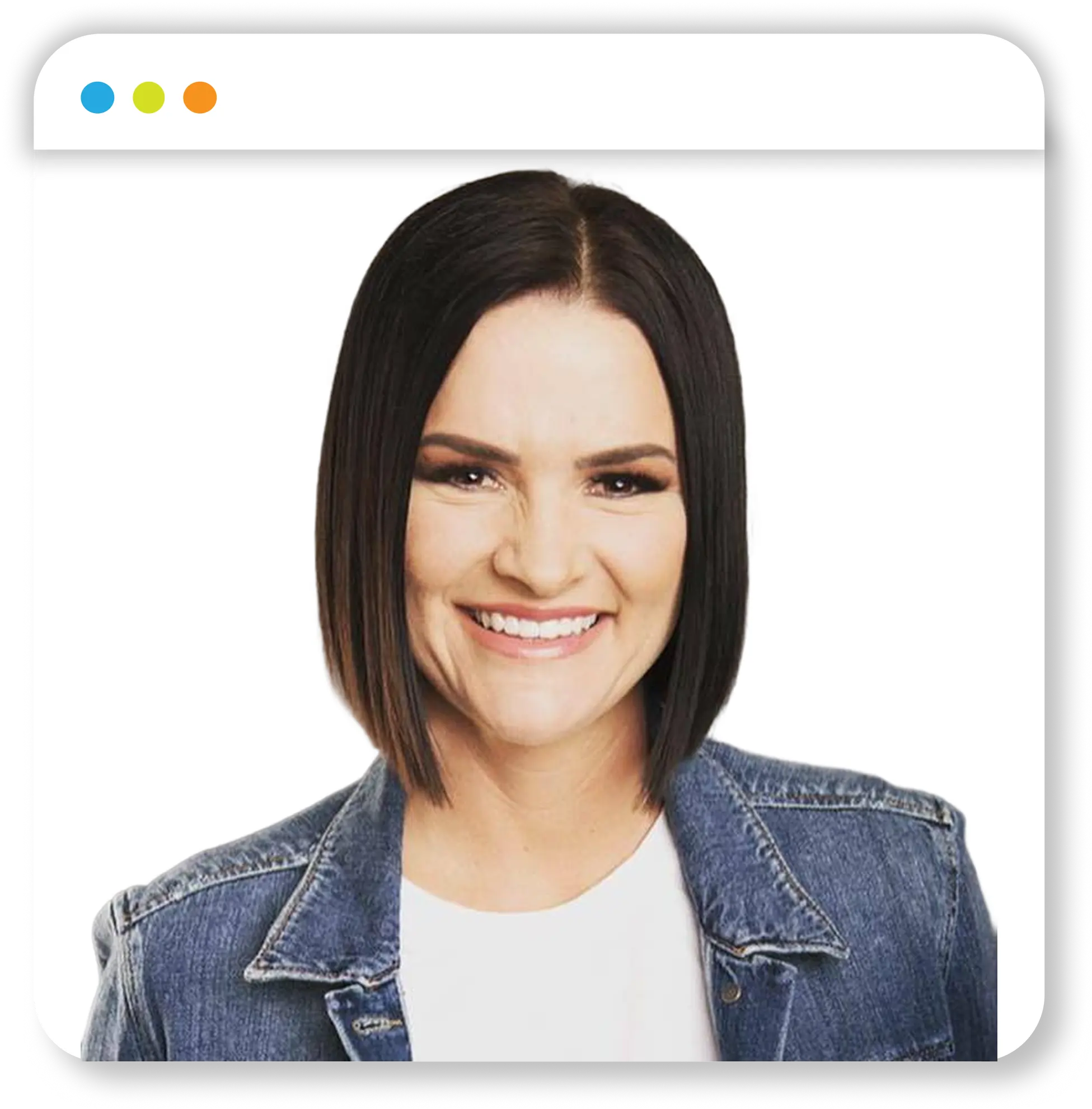
A Fractional COO operates above the day. Vanessa sits in your practice, not just in a review meeting twice a year.



You Are Not Buying a Title. You Are Buying Nearly Twenty Years Inside Dental Operations.
Anyone can claim a Fractional COO title. The question you should ask is what that person has actually run.
Vanessa Buchheit has spent nearly two decades in the dental industry, starting at the front desk and working her way to the executive suite. Over that time, she has:
- Spent five years at Henry Schein, coaching more than 70 dental practices through operational and performance improvement
- Served as Director of Education and Client Services at Unified Smiles
- Led operations, strategy, and team alignment as Chief Operating Officer at Smalltown Dental, a multi-location DSO, for more than three years
- Served as General Manager at HR for Health, where she currently works
- Published and lectured on leadership and sustainable practice growth for over a decade
- Operated as a Fractional COO for practices growing faster than their systems could support
That is the difference. When Vanessa tells you your schedule template is bleeding production, it is because she has fixed that exact problem in dozens of practices. When she tells you a role needs to be restructured or a bonus plan needs to change, it is because she has built those structures before, watched them fail, and corrected them.
Her core belief drives every engagement: most practices do not need more. They need to better use what they already have.
You are hiring judgment. Judgment is expensive to build and cheap to rent.
What Vanessa Does Inside Your Practice
Leadership and strategy
- Assesses your current workflows, team structure, and key performance metrics
- Sets the KPIs that matter to your practice and kills the vanity metrics that do not
- Sits with ownership and leadership to represent operations at the executive level
- Builds the accountability structure and performance review process around the team
Team development
- Meets with your team on a recurring cadence
- Trains your staff, coaches them, and raises their ceiling whether or not the engagement continues
- Helps you hire correctly, or tells you the hire you are about to make is the wrong one
- Aligns front desk, clinical, and treatment coordination so patients do not fall through the cracks between them
Systems and process oversight
- Builds and refines systems across scheduling, patient flow, communication, and case acceptance
- Reviews the software and tools already in place and identifies what is unused, redundant, or working against the team
- Audits the workflows your team runs on and asks the questions nobody else is asking
- Runs the transition when a process, tool, or role needs to be replaced
Operational depth
- Digs into the numbers behind the numbers: case acceptance rate, schedule utilization, production per patient, patient retention
- Separates the signal from the fluff, then fixes the process causing the gap
- Builds the reporting rhythm so you always know where you stand without chasing it
- Works alongside your existing team, whatever software or systems they are already using
.webp)

We Do Not Have to Be Your Software Vendor
If the right answer is to keep your current software or process, that is the answer you will get. The value of an executive is only real if the advice is unbiased.




Nearly Two Decades in the Industry
What changes at each stage is the complexity. What does not change is the discipline required to fix it.
Structured Around Hours, Not Vague Promises
Tier 1: Advisory
Strategic oversight, monthly leadership session, KPI and performance review, systems accountability. Best for practices with a functioning team that needs direction and a check on the work.
Tier 2: Embedded
Everything in Advisory, plus weekly involvement with your team, active process rebuilding, hiring support, and alignment across front desk, clinical, and treatment coordination. Best for practices scaling past their current systems.
Tier 3: Executive
Full fractional executive presence. Leadership meetings, team management, hiring and training, full systems oversight, and direct involvement in day-to-day execution. Best for practices in a growth or transition phase that need an operations executive now and are not ready to hire one full time.


Not sure which tier fits?
That is what the first conversation is for. We will scope it based on what your practice actually needs, not what we would prefer to sell.

Frequently Asked Questions
A full-time COO is a permanent executive hire with a salary, benefits, and a long ramp. A Fractional COO gives you the same operational leadership and decision-making on a defined number of hours per month, with no long ramp and no long-term commitment. Most practices do not need a COO 40 hours a week. They need the right decisions made consistently, every month.
Your office manager or consultant works inside the day you already have, keeping tasks moving or handing you a report to execute yourself. A Fractional COO works a level above that: rebuilding the systems, holding the team accountable, and staying until the changes actually stick. Many practices keep their office manager and add a Fractional COO, and the two roles reinforce each other.
Directly involved. Depending on your tier, that means recurring meetings with your team, participation in leadership discussions, coaching your staff, reviewing your systems firsthand, and being reachable between meetings when something needs a decision. This is not a quarterly check-in.
No. Vanessa works inside whatever scheduling software, practice management system, or process your practice already runs on. If a tool is not working, she will tell you, but the engagement does not require replacing what you have on day one.
Practices experiencing growth but struggling with inefficiency, inconsistent performance, or missed revenue opportunities. This is especially valuable for multi-location groups, DSOs, and single practices that have outgrown the systems they started with.
You will see the assessment and the plan within the first 30 days, but real operational change takes longer than a report. Most practices notice movement in scheduling, case acceptance, or team accountability within 60 to 90 days. Vanessa stays until the changes are running on their own, not just until the plan is written.
Success is measured against the metrics your practice runs on: case acceptance rate, schedule utilization, production per patient, patient retention, and overall efficiency. You get a consistent reporting rhythm so performance is never a mystery.
A full assessment of your current workflows, team structure, systems, and key performance metrics. A clear read on what is working, what is causing bottlenecks, and what is missing. Then a plan with priorities, owners, and timelines. You will know exactly where you stand before committing to anything long term.


Ready to Put a Real Operations Executive in the Room?
If you are serious about scaling, the next step is not doing more with the same systems. It is having someone accountable for whether your operations actually work. Let's have a conversation about where your practice stands and whether this is the right move.
Powered by